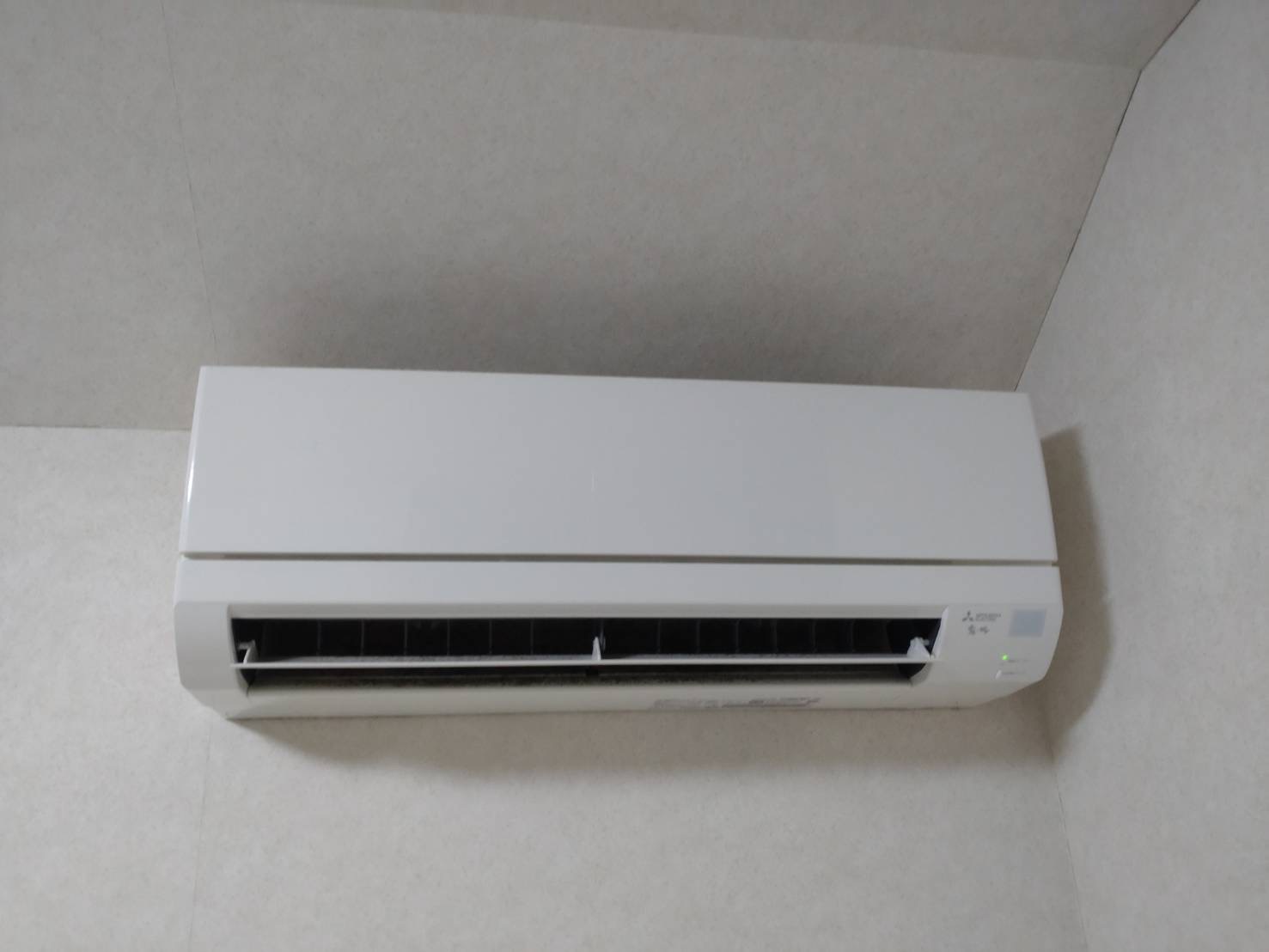
Today, air conditioners have become an essential part of life in many households.
The difference between a cooler and an air conditioner is that a cooler provides only cooling, while an air conditioner has both cooling and heating functions.


Today, air conditioners have become an essential part of life in many households.
The difference between a cooler and an air conditioner is that a cooler provides only cooling, while an air conditioner has both cooling and heating functions.
From the 1990s onward, environmentally friendly refrigerants, including alternatives to Freon, were introduced.
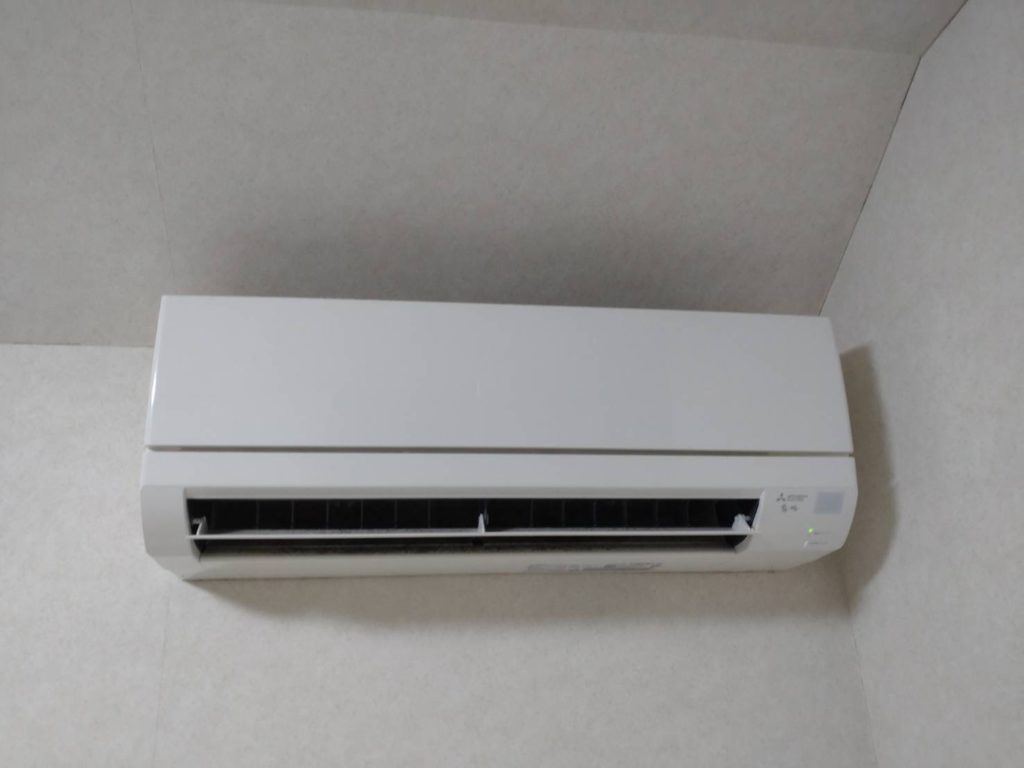
During the period of rapid economic growth (around 1960 to 1970), the spread of air conditioners into ordinary households accelerated in earnest.
Simpler window-mounted models were also released.
By around 1960, heat pump models with both cooling and heating functions, as well as split-type systems with separate indoor and outdoor units, appeared.
This marked the beginning of air conditioners becoming common in Japanese households.
By around 1950, the production and sales of domestically made air conditioners had begun to expand.
In 1935, Japan’s first domestically produced air conditioner, which provided only cooling, was released.
However, it was too expensive and did not become widespread.
Around 1930, American-made cooling systems were imported to Japan and began to be introduced in movie theaters and banks.
Around 1928, an air conditioner using Freon gas, with the same mechanism as those of today, was invented in the United States.
In 1902, Willis Carrier in the United States invented a device to control humidity in order to protect paper at a printing plant.
Although its purpose was different from that of today’s air conditioners, it is said to be the world’s first electric air conditioner.
It’s been running nonstop, to the point where I wonder if it might break.